
Area 3 international helpers visit to Subud groups in eastern Canada May 14–24, 2026
Subud gathering at Kawartha Camp
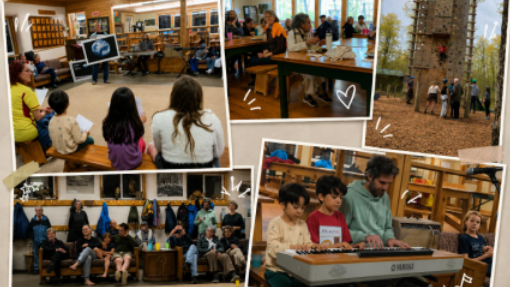
The visit began on May 14, coinciding with the gathering held at Kawartha Camp, located about 150 kilometers northeast of Toronto. Kawartha Camp is an event that the Subud Canada community has been organizing for 25 years. Upon arrival, one feels a special atmosphere of harmony where the gentle warmth of spring blends with the joy of families reuniting; this is a space where the sense of Subud brotherhood is reaffirmed, where boys and girls build lifelong friendships by experiencing nature in the forest and by the lake, and by enjoying group play.
The family gathering at Kawartha Camp serves as a model for the entire Subud community worldwide, inspiring groups to continue or grow. A generation has grown up here, maintaining this gathering with love and excellent organization. During the gathering, we shared the Latihan and some general tests, which allowed us to gain insights into our spiritual path.
Visit to the Toronto Subud group
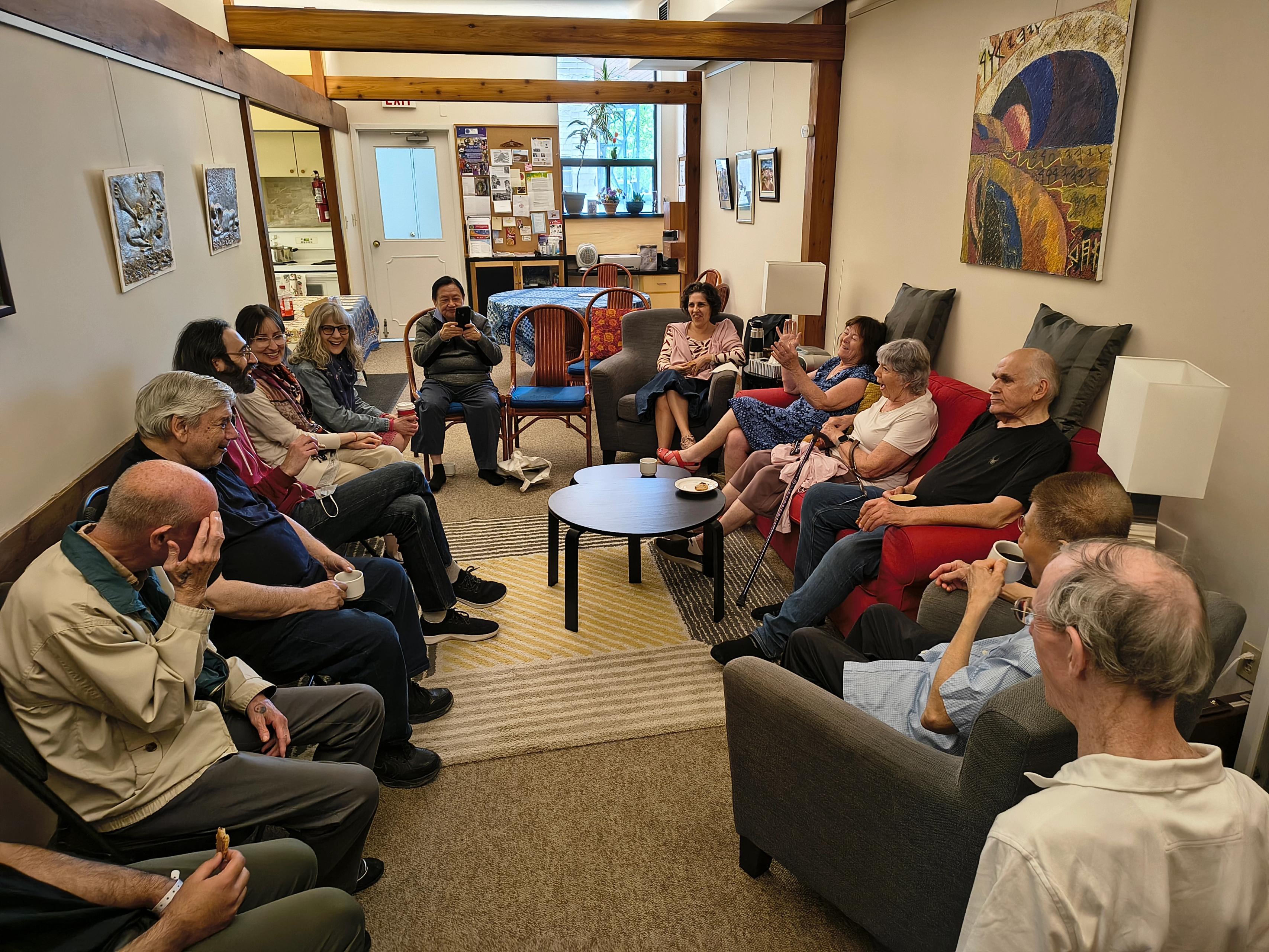
The meeting with the Toronto Subud group took place on June 19. The group has approximately 18 members, including 2 male regional helpers, 2 male local helpers, and 2 female helpers. The group has a beautiful house in a prime location, with rented spaces that provide a steady income for the benefit of the group and the fellowship. The rooms have a pleasant atmosphere, with all the conditions necessary for practicing the Latihan Kejiwaan.
During the meeting with the helpers, we conducted some discussions regarding the work of helping and the relationship with the membership. Afterward, we shared the Latihan with all the members present, and we held some general and personal discussions.
A meeting was held regarding the group’s growth, and ideas were shared about the possibility of opening the house to cultural activities that invite the general community. The use of social media to raise awareness of the group’s existence, especially among young people, was also discussed. On this point, there is no consensus yet, and it remains a general idea for now.
There was a general feeling that the visit gave the members energy to move forward in consolidating the group and making better use of its excellent facilities; brothers were supported in their specific needs, and the helpers remain committed to their task of connecting with and supporting the members.
Visit to the Montreal Subud group
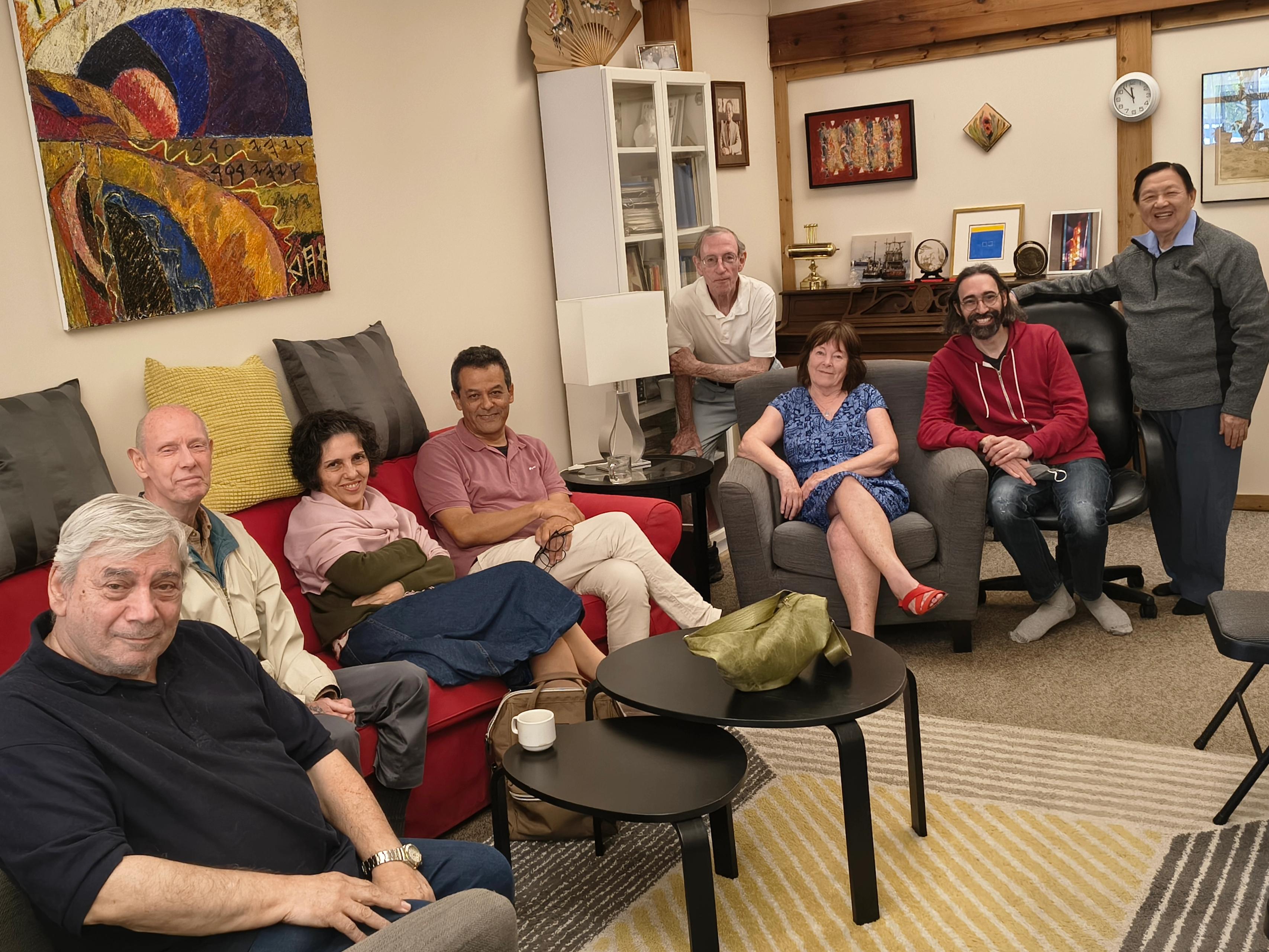
The visit began on May 21 with a Latihan and a general rehearsal. The Montreal Subud group has approximately 36 members, including 18 women—among them a KC, a national helper, a regional helper, and 2 local helpers. There are also 9 men, a KC, 4 active helpers, and 2 inactive helpers. The group owns a beautiful house with a well-designed social area and spacious rooms for practicing the Latihan. They also rent out the upper floor, which provides them with income to maintain the house and fund some activities.
During the visit, it was agreed to hold a workshop with the group of helpers, during which a Latihan was conducted, and a test on the helpers’ work was administered. The results of the workshop were then shared, leading to an important discussion on the need for ongoing collaboration in the Dewan between men and women to foster the harmony necessary to support members and committees with greater closeness and depth. In this regard, they shared the international experience of seeking consensus in the Dewan, thereby achieving the harmony necessary to support and be part of the Council in a more inclusive way.
The group also raised the need to hold an in-person national congress, given that they currently conduct it using technologies such as Zoom, with the limitations that this format entails.
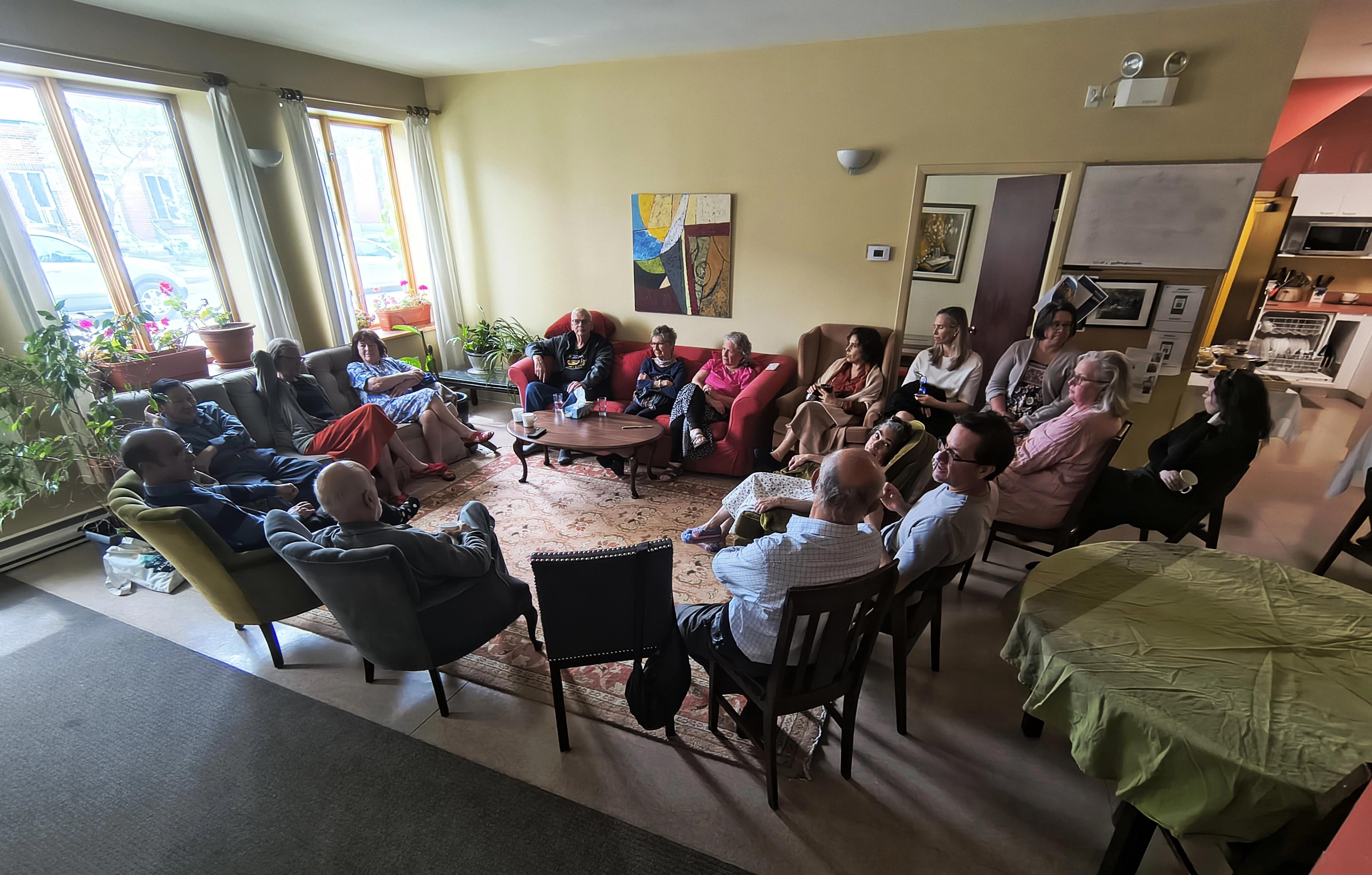
Finally, it is important to note that the Montreal group includes several young families with children who bring their joy to the group. This aspect highlights a recurring theme throughout the visit: generational renewal. In this regard, we consider it important for children and young people to have the support of their elders so that they have the space and time for cultural and recreational activities that foster a sense of belonging and reaffirm the strength of a united community.